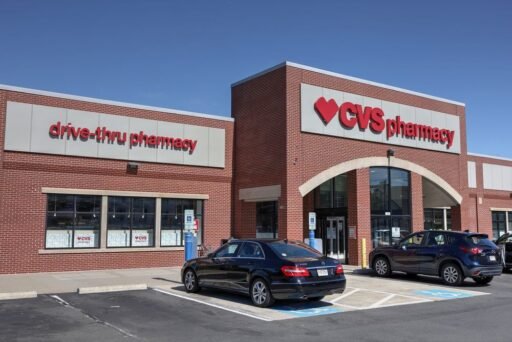
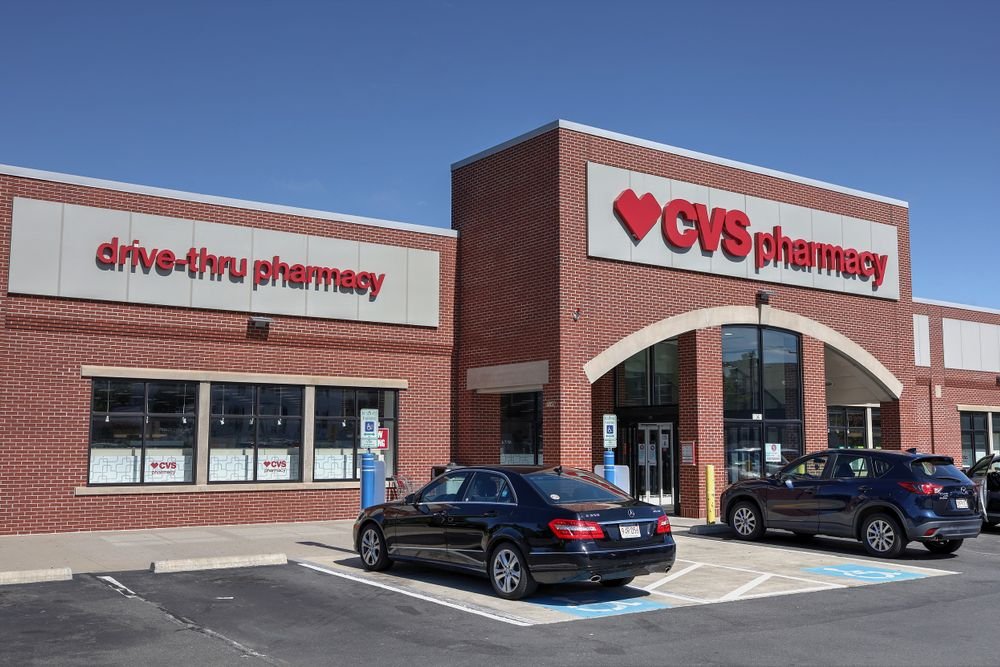

CVS is closing hundreds of stores, and the headlines make it sound like the chain is on its last legs. But there is a big difference between closing some stores and going out of business entirely. If you have seen the news and wondered whether your local CVS is disappearing — or whether the whole company is folding — here is what is actually happening.
CVS Is Not Going Out of Business
The short answer is no. CVS is not shutting down. It has not filed for bankruptcy, and it is not liquidating its assets. What it is doing is reducing the number of stores it operates as part of a planned restructuring strategy.
Newsweek, Good Housekeeping, and Kiplinger all confirm the same thing: the closures are part of an enterprise-wide restructuring plan, not a sign that the company is collapsing. CVS is still operating thousands of locations across the country.
It helps to separate three things that often get mixed up in these stories. A company can close individual stores, exit a specific business line, or file for bankruptcy. These are completely different situations. CVS is doing the first two. It is not doing the third.
How Many CVS Stores Are Actually Closing
The numbers are real, and they are worth knowing so you can put the scale in context.
CVS closed approximately 900 stores between 2022 and 2024. On top of that, the company announced plans to close 271 more retail locations in 2025. That sounds like a lot, and it is — but these closures have been happening gradually over several years, not all at once.
The 2025 closures are a continuation of the same multi-year plan, not a sudden reaction to a crisis. CVS described it as an “enterprise-wide restructuring plan intended to streamline and simplify the organization.”
There is also a separate, smaller closure to know about. CVS announced it would close or sell 29 pharmacies connected to its infusion services business. That is a business-line exit — CVS is getting out of a specific service area — and it is not the same as shutting down retail pharmacy locations.
Why CVS Is Closing Stores
CVS has pointed to a few clear reasons for the closures. These include shifting population patterns, changes in how people shop, and store density overlap.
That last point is worth explaining. In some neighborhoods, CVS may have two stores within a short distance of each other. If one location consistently outperforms the other, it makes more financial sense to close the weaker store and keep the stronger one. Paying rent and staff costs for a low-traffic location hurts the business without adding much value.
CVS has said publicly that the goal is to “realign our retail footprint.” That is a business way of saying: we have stores in the wrong places or too many stores in the same area, and we are fixing that.
This kind of footprint reduction is a normal part of how large retailers adjust over time. It is strategic, not desperate. A company preparing to shut down entirely does not invest in restructuring plans — it stops paying its bills.
CVS Is Also Opening New Locations
Here is something the closure headlines tend to leave out: CVS has also been opening new locations, even as it closes others.
Some of these new formats are smaller stores focused more tightly on pharmacy services. CVS also has locations inside Target stores, and those tend to serve a different customer base than a standalone location.
A CVS pharmacy inside or near a Target may stay open even if a nearby standalone CVS store closes. The company is changing where and how it operates, not walking away from retail entirely.
This is what a retailer looks like when it is reshaping its strategy, not winding down its business.
CVS vs. Rite Aid — Not the Same Situation
A lot of people are comparing CVS to Rite Aid, and it is worth being clear about why that comparison does not hold up.
Rite Aid actually filed for Chapter 11 bankruptcy. By late 2025, it had reportedly closed all of its locations. That is what a true retail collapse looks like — a company that ran out of options and could no longer pay its debts.
CVS is not in that situation. It is reducing its store count and restructuring how it operates, but it continues to function as a national business. Those are fundamentally different things.
Walgreens is also closing stores, which adds useful context. All three major pharmacy chains are dealing with the same pressures: weaker foot traffic, rising operating costs, and competition from online pharmacies and big-box retailers that have added pharmacy counters. The entire drugstore sector is under pressure. But being under pressure is not the same as going under.
For more analysis on business trends like this, OnBizDaily covers retail and company restructuring stories on a regular basis.
What to Do If Your Local CVS Closes
Even if CVS as a company survives, your local store can still close. Here is what you can do to stay ahead of it.
- Check the CVS store locator before you visit. If a store is closing or has already closed, the locator will show you the nearest open location. Do not assume a store is still open just because it was open last month.
- Transfer your prescriptions early. If your store closes, you can move your prescriptions to another CVS, a different pharmacy chain, or a mail-order pharmacy. You do not need to lose your prescription history — your pharmacist can transfer it. Do not wait until the closure date to start this process.
- Check your ExtraCare points and rewards. If you use CVS reward programs, make sure your balance is in your account and plan to use it before any disruption to your regular location.
- Consider a mail-order or online pharmacy. If your nearest CVS closes and the next one is inconvenient, it may be a good time to look at mail-order options for maintenance medications. Many insurance plans cover this and it can save time.
- Call your local store directly if you are unsure. Store employees usually know well in advance whether a closure is planned. A quick call can save you an unnecessary trip.
The Bottom Line
CVS is closing stores — that part is real. The company closed around 900 locations from 2022 to 2024 and planned to close 271 more in 2025. But this is a deliberate restructuring plan, not a company in freefall.
CVS has not filed for bankruptcy. It is still opening some new locations. And it is still operating as one of the largest pharmacy chains in the country. The closures reflect a long-term effort to cut costs and run a leaner store network, not a business that is running out of time.
If your local store closes, that is a real inconvenience worth planning around. But the broader story here is a chain adjusting its strategy, not disappearing. Knowing the difference helps you make better decisions about where to fill your prescriptions and how much urgency to attach to the news.
Read Also: