
Kelly-Moore Paints is gone. This is not a rumor, a temporary shutdown, or a regional pullback. On January 12, 2024, the company announced it was immediately ceasing all operations — and it is not coming back.
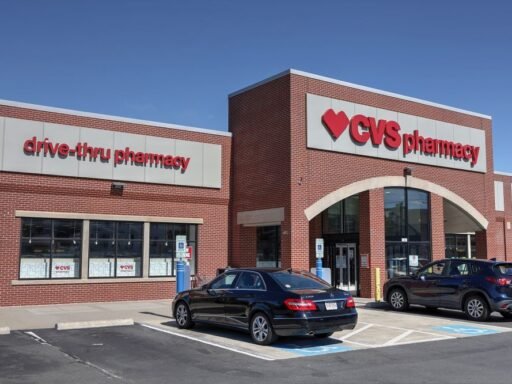
All 157+ retail stores across California, Nevada, Oklahoma, and Texas closed the same day. The manufacturing facility near Hurst, Texas was also shut down. The company is dissolving permanently, not restructuring or pausing to regroup.
If you were a customer, contractor, or employee, this article explains exactly what happened, why, and what it means for you.
Why Kelly-Moore Went Out of Business
The short answer: asbestos lawsuits drained the company dry over two decades.
Kelly-Moore spent roughly $600 million on asbestos-related legal settlements over approximately 20 years. These lawsuits stemmed from asbestos that was used in certain cement and texture products sold under prior ownership — products that were phased out decades ago. The current ownership did not introduce asbestos to any products.
But that history didn’t disappear. Case filings kept coming, and a study projected another $170 million in future asbestos claims. That number made it impossible to convince any investor or lender to put money into the business.
The company was acquired in 2022, and the new ownership inherited all of these liabilities along with something else: millions of dollars in unpaid sales and use taxes. That combination — ongoing litigation, projected future claims, and inherited tax debt — put the company in a hole it simply couldn’t climb out of.
Supply chain investments added further pressure. With no realistic path to raise new capital or restructure the debt, shutting down was the only option left.
Why Kelly-Moore Did Not File for Bankruptcy
Most people assume that when a large company closes, it files for bankruptcy first. Kelly-Moore did not.
In its January 12 announcement, the company stated directly that Chapter 11 bankruptcy was not a viable option. Instead, it chose an out-of-court wind-down, which means dissolving the company without going through the bankruptcy courts.
This matters for one specific reason: there is no asbestos trust fund. When companies with large asbestos liabilities file for Chapter 11, they often create a trust fund as part of the process to pay future claimants. Kelly-Moore did not do that.
Anyone with an asbestos-related claim connected to Kelly-Moore products would need to pursue legal action against the dissolved company or other responsible parties. If you or someone you know is in this situation, speaking with a lawyer who handles asbestos cases is the right first step.
What This Means for Customers and Contractors
If you had a pending order with Kelly-Moore, the company said it would try to fulfill existing orders from inventory held at its Union City, California distribution facility — but only to the extent the inventory allowed. That’s a limited and uncertain promise from a company that was already shutting its doors.
Retail stores closed immediately, so there is no walk-in option anywhere. Here is what that means practically:
- Warranties are unenforceable. A dissolved company cannot honor a product warranty. If a Kelly-Moore paint product fails, you have no clear path to a claim against the company.
- Gift cards and store credits are effectively worthless. There is no redemption process in place for them.
- Existing inventory may still exist at some retailers, but new supply is not being manufactured. Once it’s gone, it’s gone.
If You’re a Homeowner Mid-Project
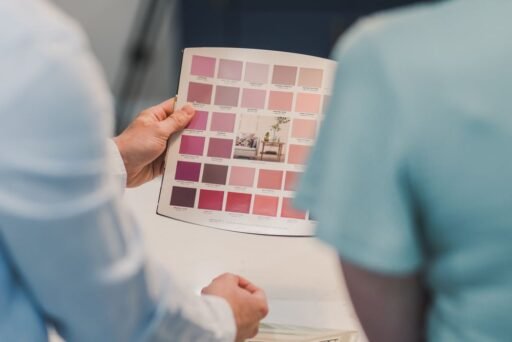
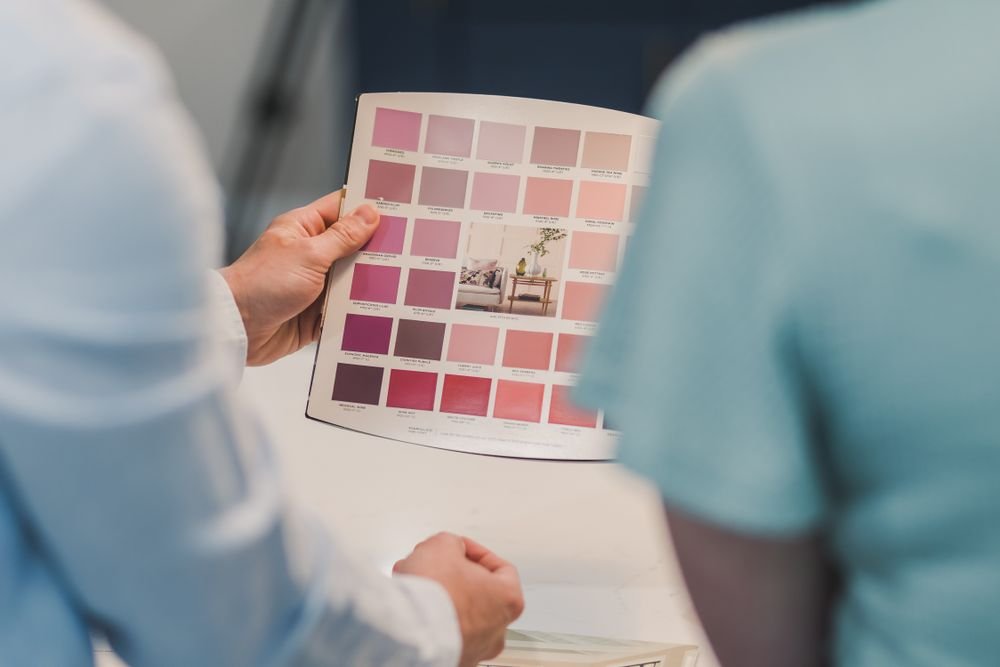
If you used Kelly-Moore paint and need to match it for touch-ups or to finish a room, your best option is to bring a painted chip or sample to another paint retailer. Most major paint stores — Sherwin-Williams, Benjamin Moore, and others — offer color matching services.
Be realistic: a match is usually close, but it may not be exact, especially on older painted surfaces that have faded over time. For touch-ups on a small area, a slight color difference might be noticeable. In that case, you may need to repaint the entire wall rather than just the spot.
If You’re a Contractor or Working on a Commercial Project
This is where things get more complicated. If you have specified Kelly-Moore products in a contract or set of project specifications, you need to address that now — not later.
Substituting a different brand typically requires approval from the architect, owner, or project manager. Waiting until the last minute creates delays and can affect project timelines. Review your open projects, flag anywhere Kelly-Moore is specified, and start the substitution process early.
Competitors are actively trying to win former Kelly-Moore customers, so getting product samples and approval documentation from an alternative brand should not take long.
How the Industry Has Responded
When a regional paint brand with 157+ stores disappears overnight, competitors notice quickly.
Sherwin-Williams, PPG, and other paint brands moved fast to reach out to Kelly-Moore’s former customer base. This includes contractors, commercial painters, and property managers who bought in volume. Many retailers began offering color-matching services specifically targeted at former Kelly-Moore customers.
Paint professionals have had to adapt. A painter who has used the same brand for years — and has clients expecting consistent results on repeat jobs — now has to rebuild that system with a new supplier. That takes time, especially when you factor in color library differences, product formulations, and purchasing accounts.
Some industry veterans treated the closure as a reminder of how quickly a long-standing supplier can disappear. The practical takeaway for contractors: having a backup supplier relationship is not paranoid — it’s just good business practice.
For more coverage on business closures, industry shifts, and what they mean for small businesses and contractors, OnBizDaily covers these topics on a regular basis.
What About the Employees?
Roughly 700 workers were laid off in the days before the January 12 announcement, when the Hurst manufacturing plant halted production. When the full shutdown was announced, total job losses across all stores and facilities likely exceeded 1,000 employees.
These were not corporate positions. Most were retail staff, paint mixers, plant workers, and warehouse employees — people with practical trade skills who now have to find work elsewhere. In smaller communities where a Kelly-Moore store was one of the few local employers in the trades sector, that’s a real loss.
Is There Any Chance Kelly-Moore Comes Back?
Based on everything reported so far, no. Kelly-Moore is dissolving as a company, not selling to a new owner or licensing the brand to someone else. There are no confirmed reports of an acquisition, a relaunch, or a successor brand using the Kelly-Moore name.
It is always technically possible that someone could buy the brand name or some remaining assets. But as of now, nothing like that has been announced, and the company’s own statements describe a permanent cessation of operations — not a sale or transition.
If that changes, it would be reported. For now, the responsible assumption is that Kelly-Moore is gone permanently.
The Bottom Line
Kelly-Moore Paints closed on January 12, 2024, after nearly 80 years in business. The company did not file for bankruptcy. It shut down immediately and is dissolving. All stores are closed, no new products are being made, and no asbestos trust fund exists for future claimants.
The cause was straightforward, if painful: decades of asbestos-related legal costs finally outpaced the company’s ability to survive, and inherited liabilities made recovery impossible.
If you’re a customer, find a color match at another retailer. If you’re a contractor, update your specs now. If you have an asbestos-related claim, talk to a lawyer. And if you’re an employee affected by this, know that the skills you built working in the paint industry are transferable — other manufacturers and retailers are actively hiring in this space.
Read Also: